A New Chapter for an Old Cabin
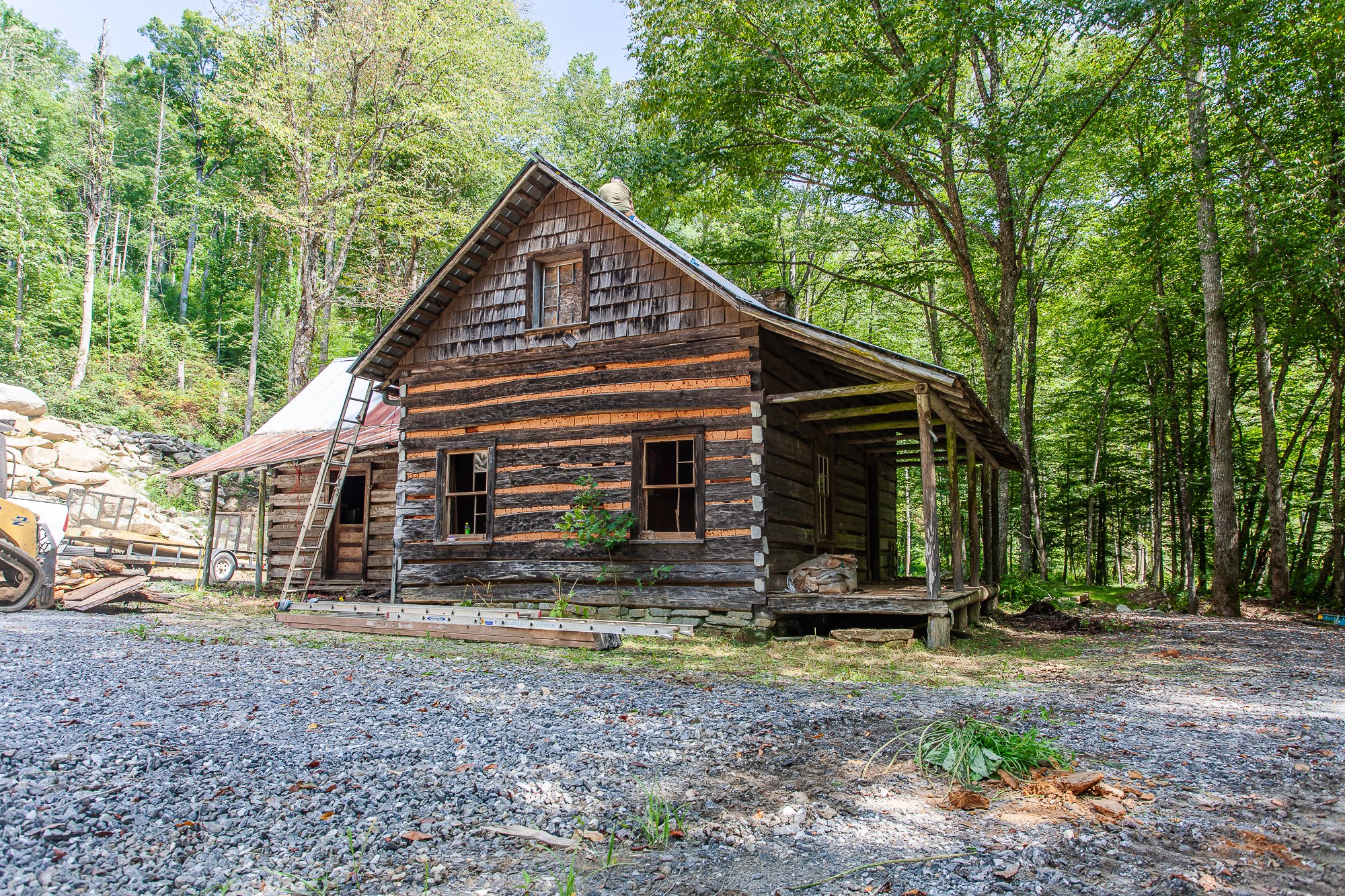
Hidden deep in the Snowbird community of Graham County, surrounded by hardwood forests and mountain ridges, stood a cabin whose story stretched back well beyond its weathered walls.
The hand-hewn logs that form the structure are believed to date to the Civil War era. While little is known about the cabin’s earliest history, it was originally disassembled in Virginia, then relocated, and rebuilt in Snowbird decades ago. By the time this project began, time had finally caught up with it. The cabin had reached the point where preserving it as a structure was no longer practical.
But its story didn’t have to end there.
Looking Beyond Demolition
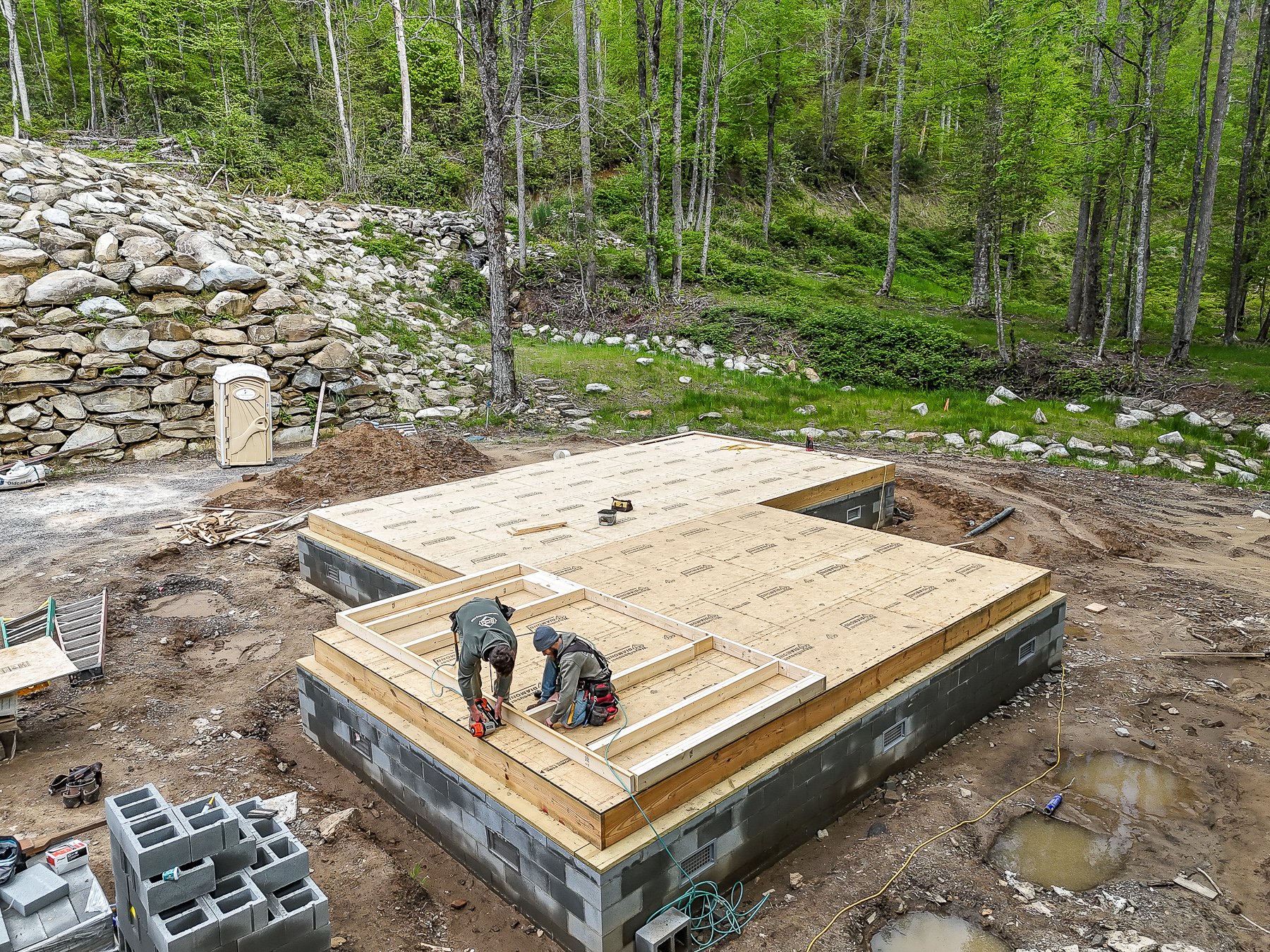
When the owner prioritized spending more time at this beautiful property, and decided to build a home here (previously a camper retreat), instead of simply removing the cabin and starting over, he wanted to preserve this part of what made his property unique. Together, we explored ways to carry a piece of its history into a new home built on the same site.
The answer wasn’t to recreate the original cabin. It was to give its materials a new purpose.
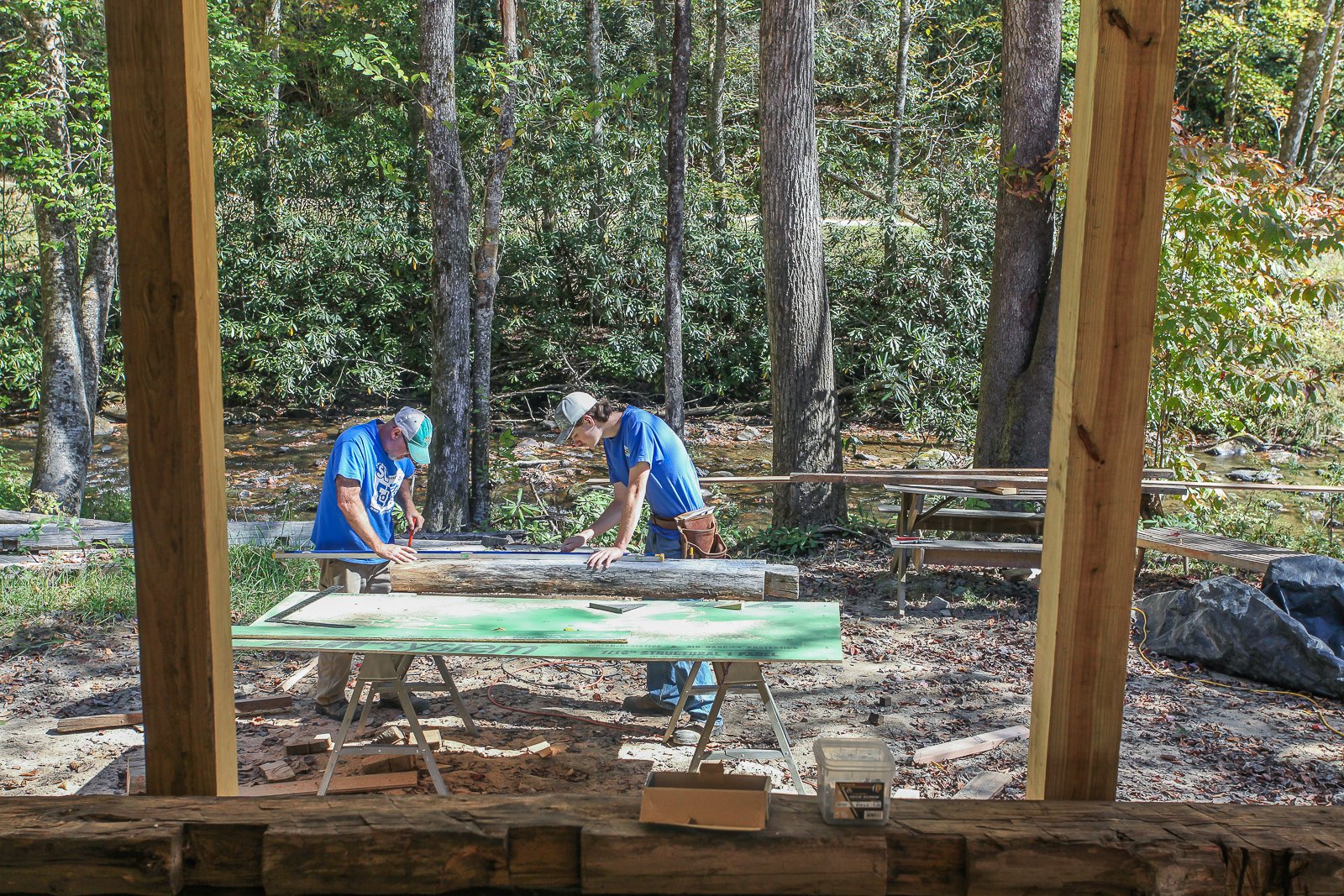
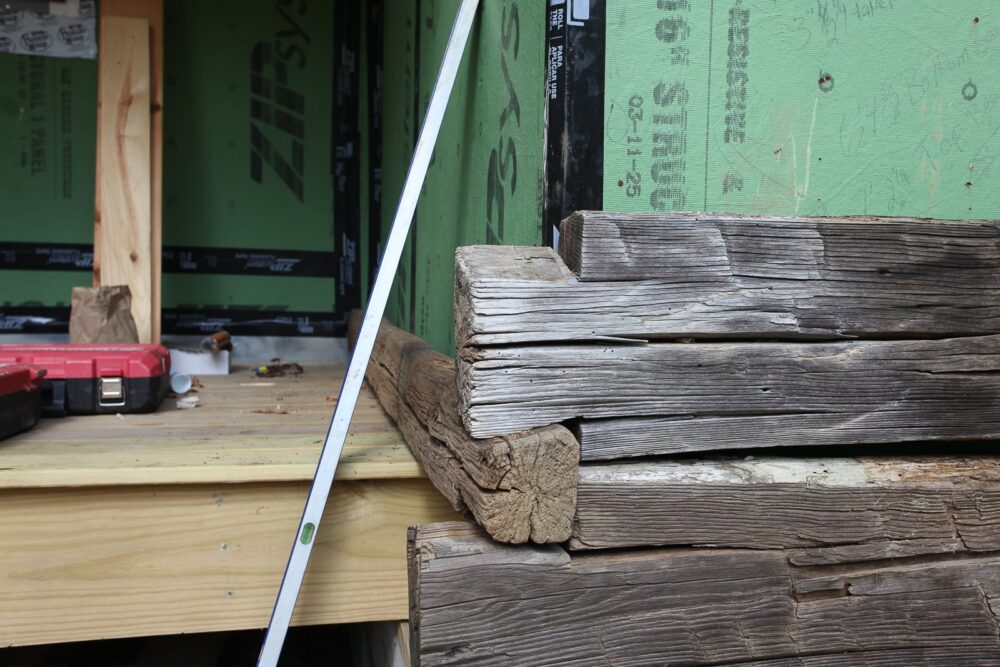
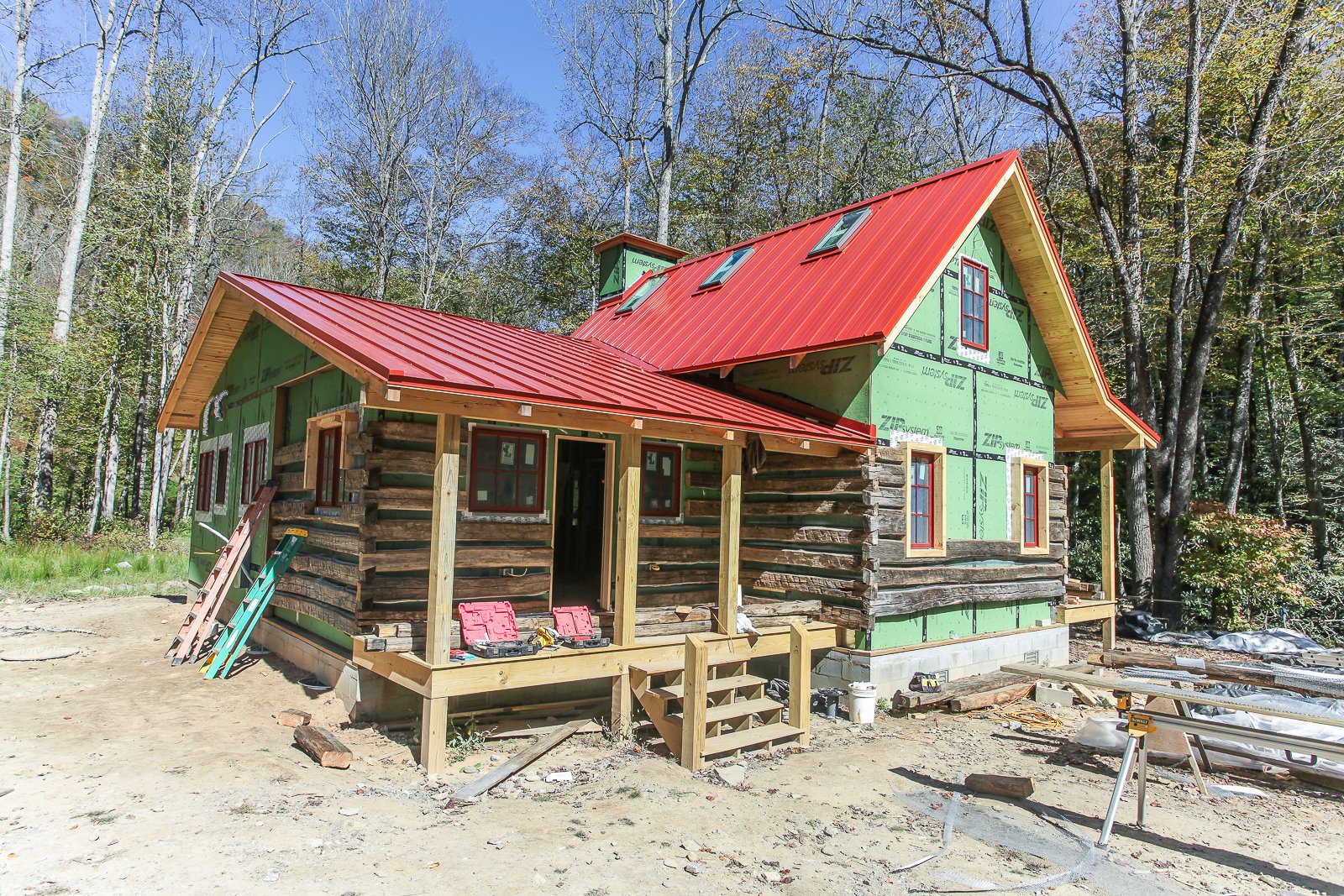
Each of the hand-hewn logs was carefully removed, sorted, and evaluated. Instead of relying on them structurally, the reclaimed logs became the exterior cladding for the new home. This approach allowed us to build a modern, dependable structure while preserving the authentic character that had developed over more than a century and a half.
No two logs were identical. None fit together exactly as they once had. Every wall became its own puzzle.
Openings for modern windows and doors, and the addition of a small wing onto the original cabin’s footprint meant the original materials couldn’t simply be reassembled. Every reclaimed log had to be thoughtfully incorporated into an entirely new design while respecting its natural variations and age.
Authentic Materials Can’t Be Recreated
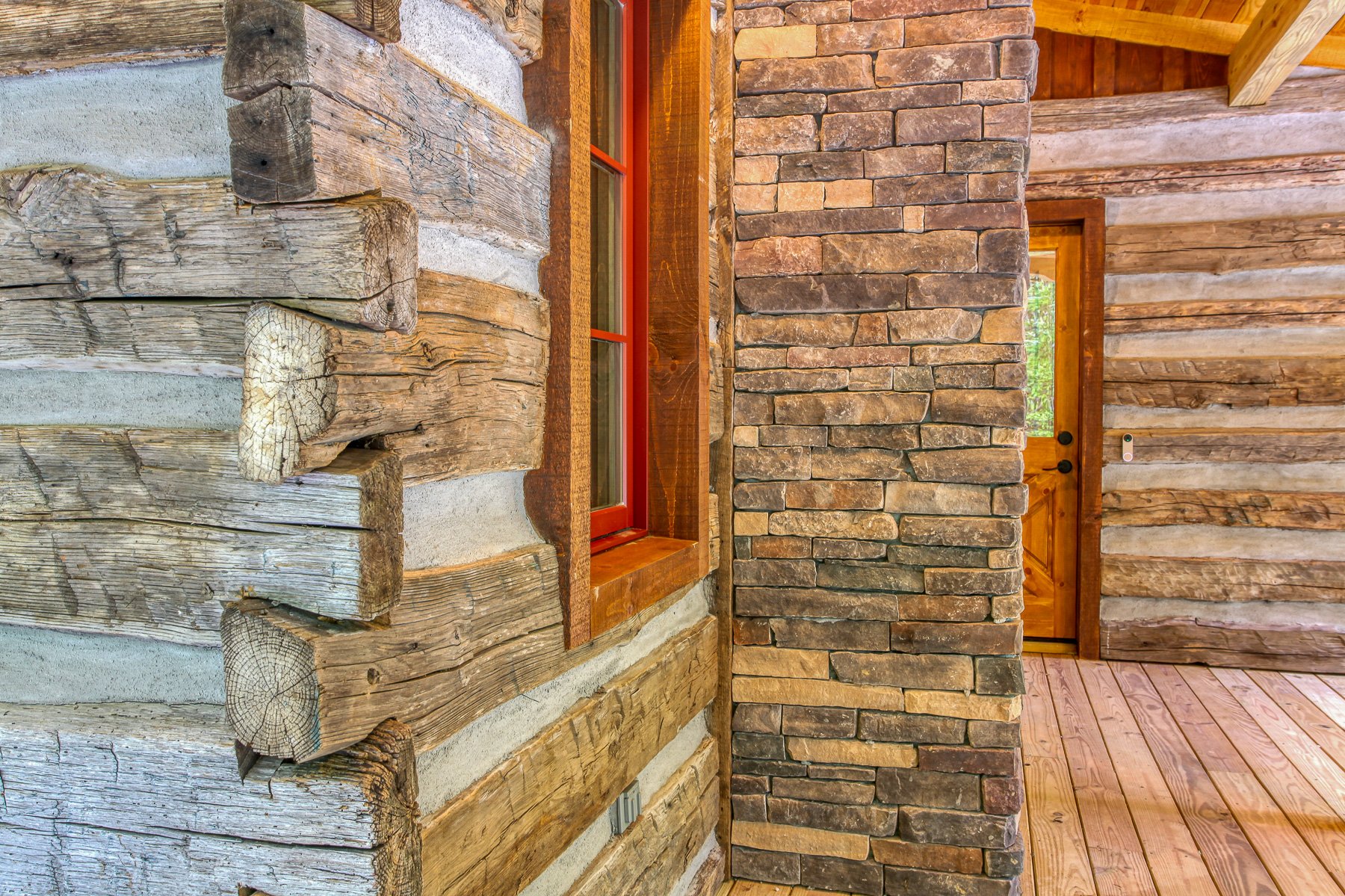
Today’s log homes can be beautiful, but they simply don’t carry the same character as timber shaped by hand generations ago. The marks left by broad axes, the subtle irregularities, and the weathered patina found on these logs tell a story that new materials can’t fully imitate.
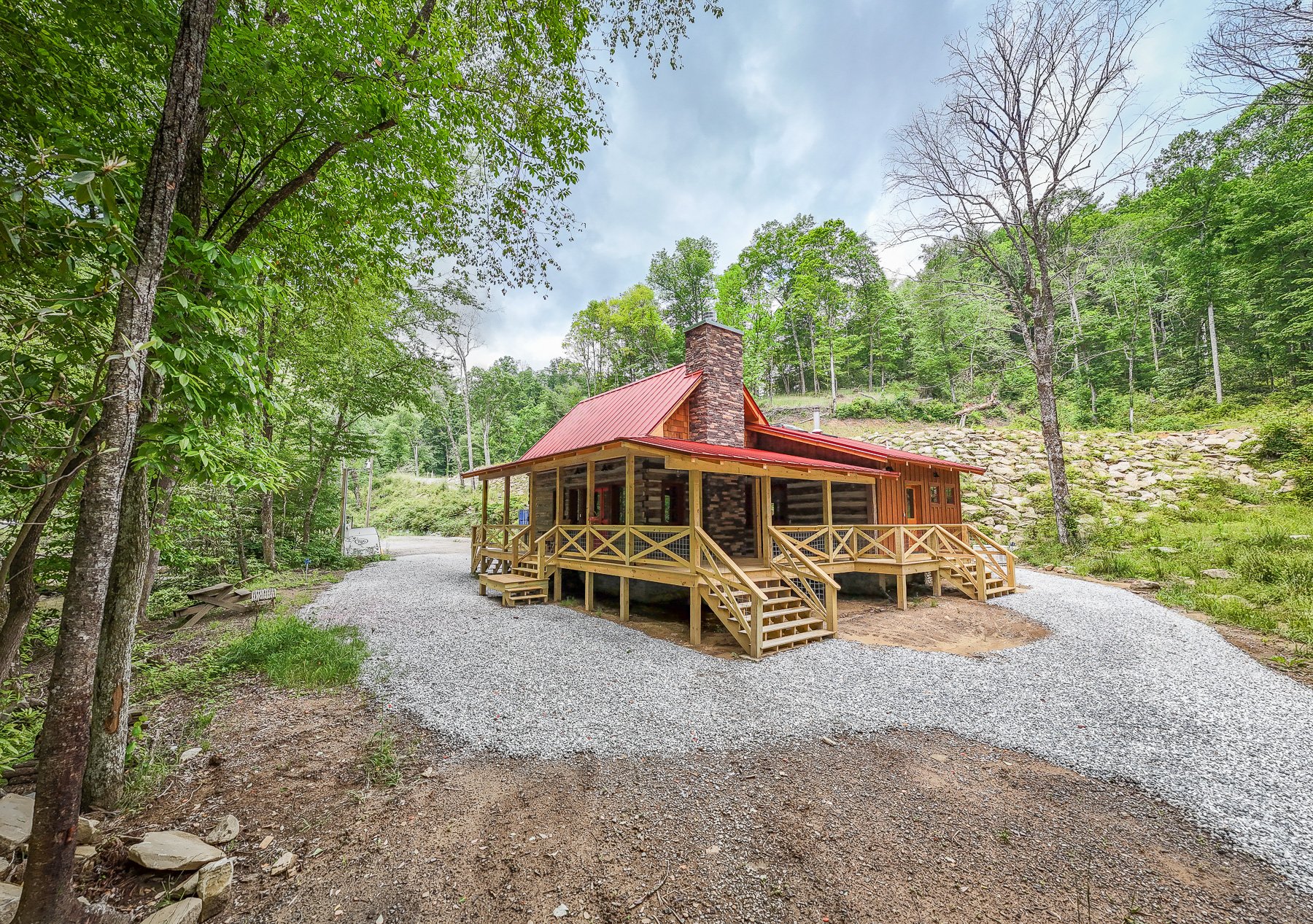
Because there weren’t enough original logs to cover the home’s expanded footprint, portions of the exterior were finished with board-and-batten siding. Rather than trying to imitate the reclaimed logs, the new siding complements them with its own honest character, creating a home that feels cohesive while allowing the original materials to remain the focal point. The result isn’t a replica of an old cabin. It’s something far more interesting—a custom home that respectfully blends history with modern craftsmanship.
Built For Today, Rooted In Yesterday
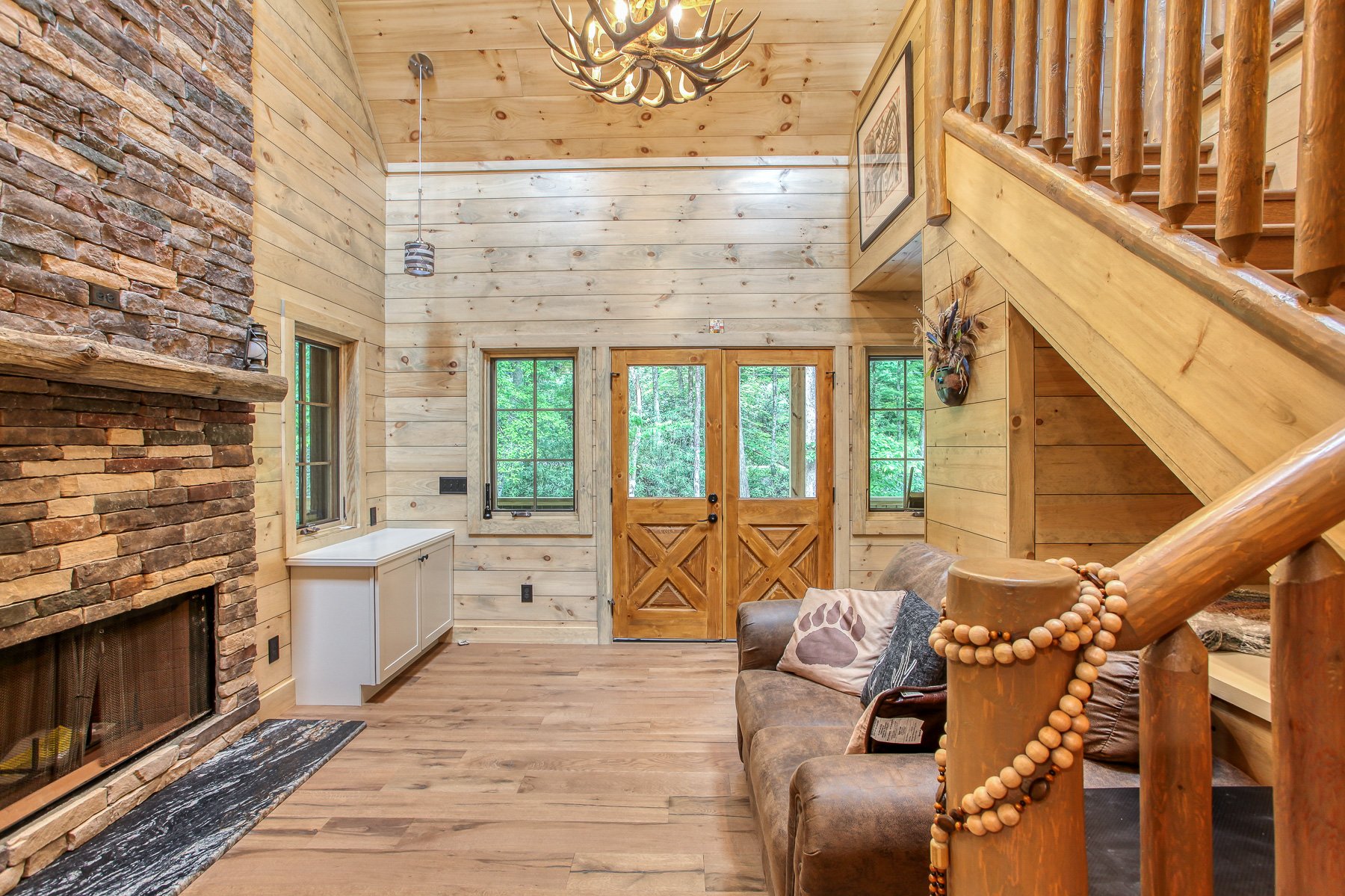
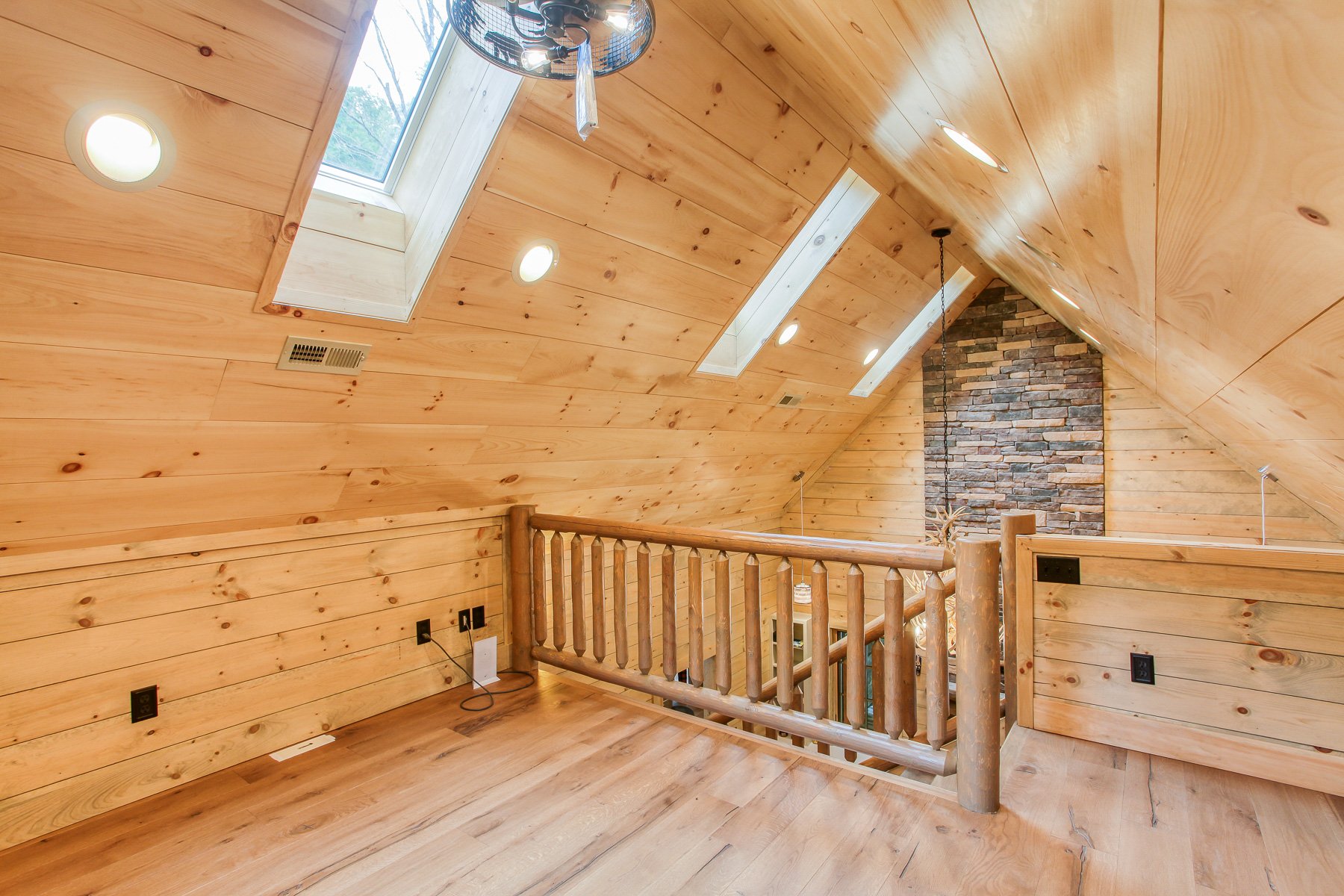
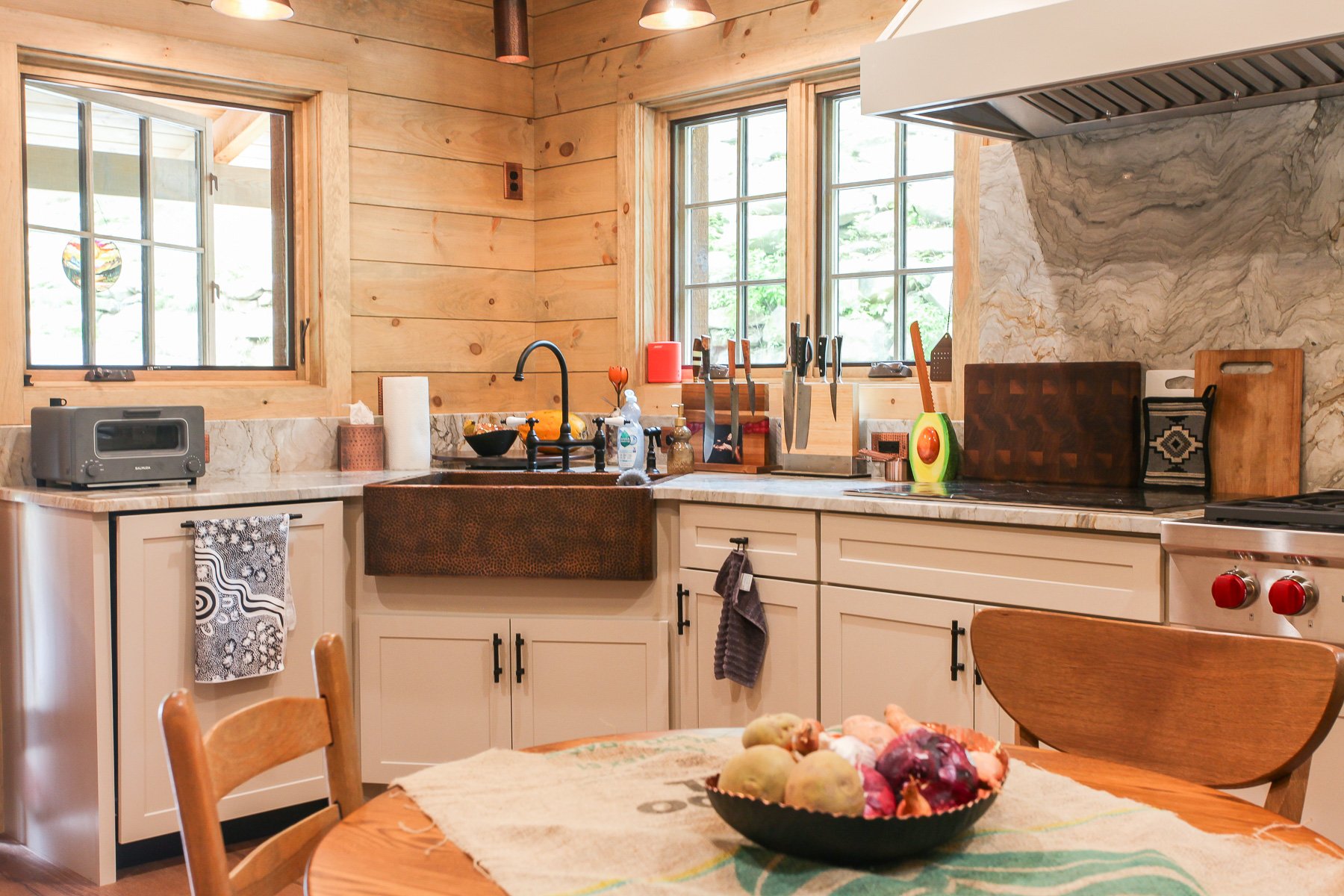
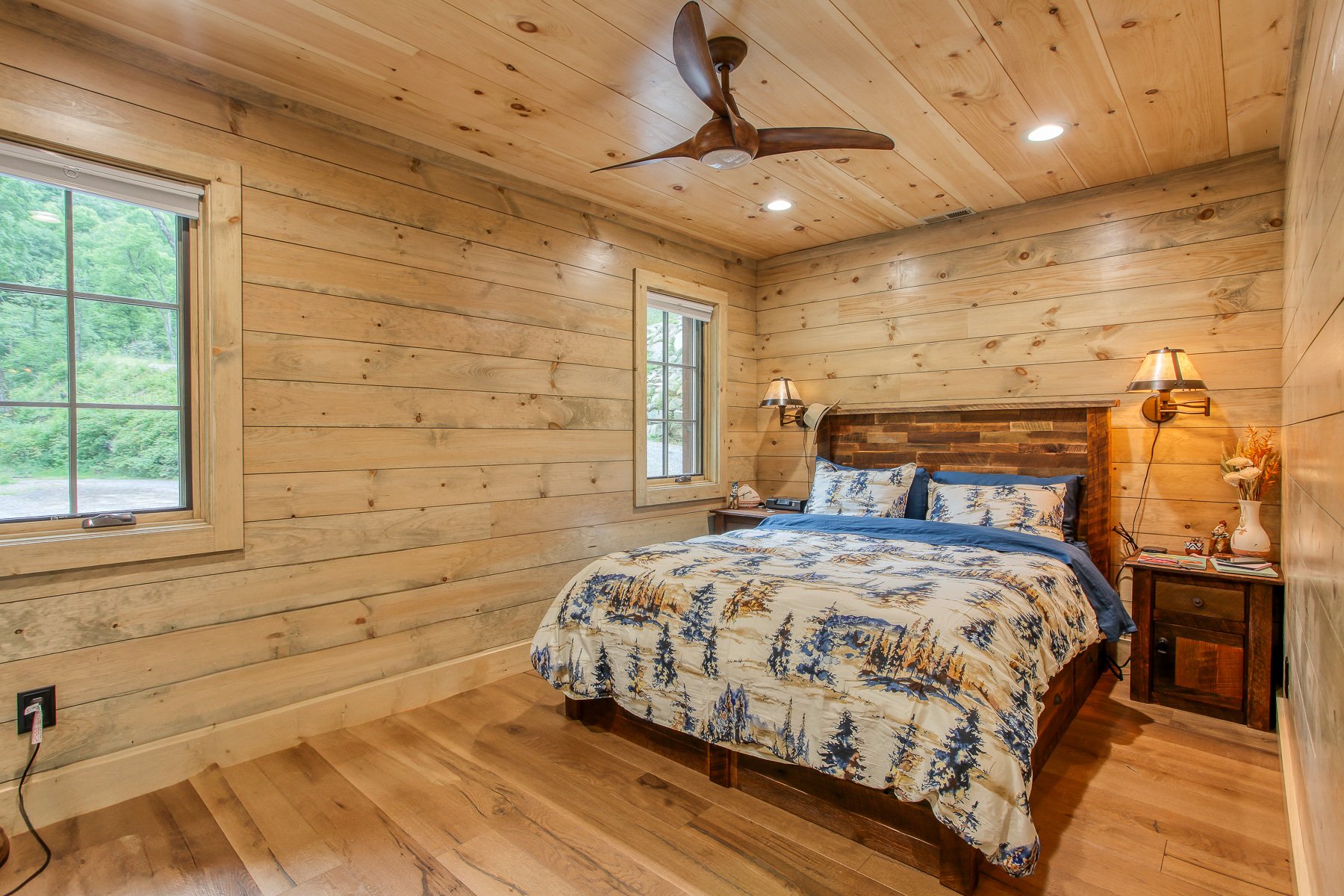
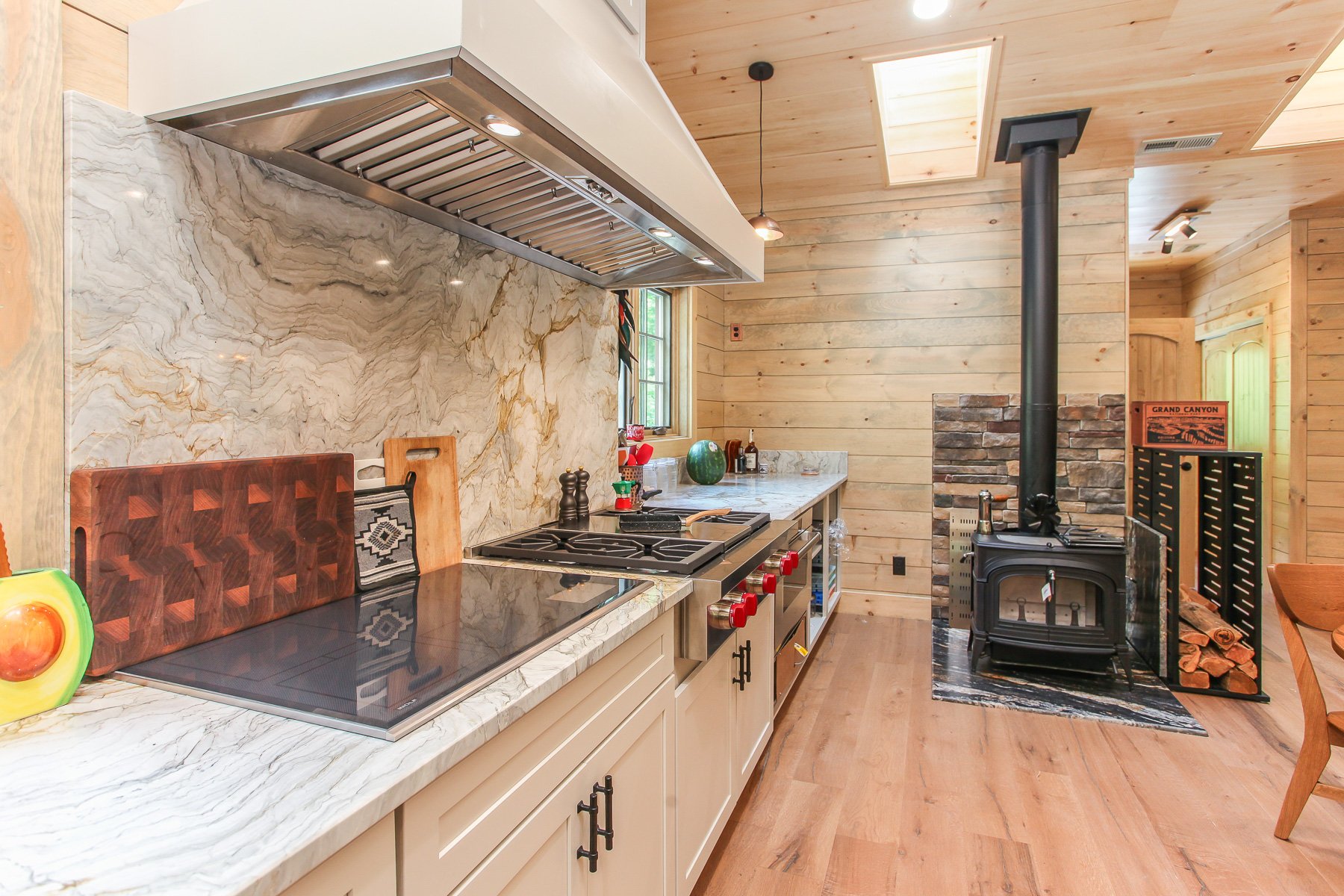
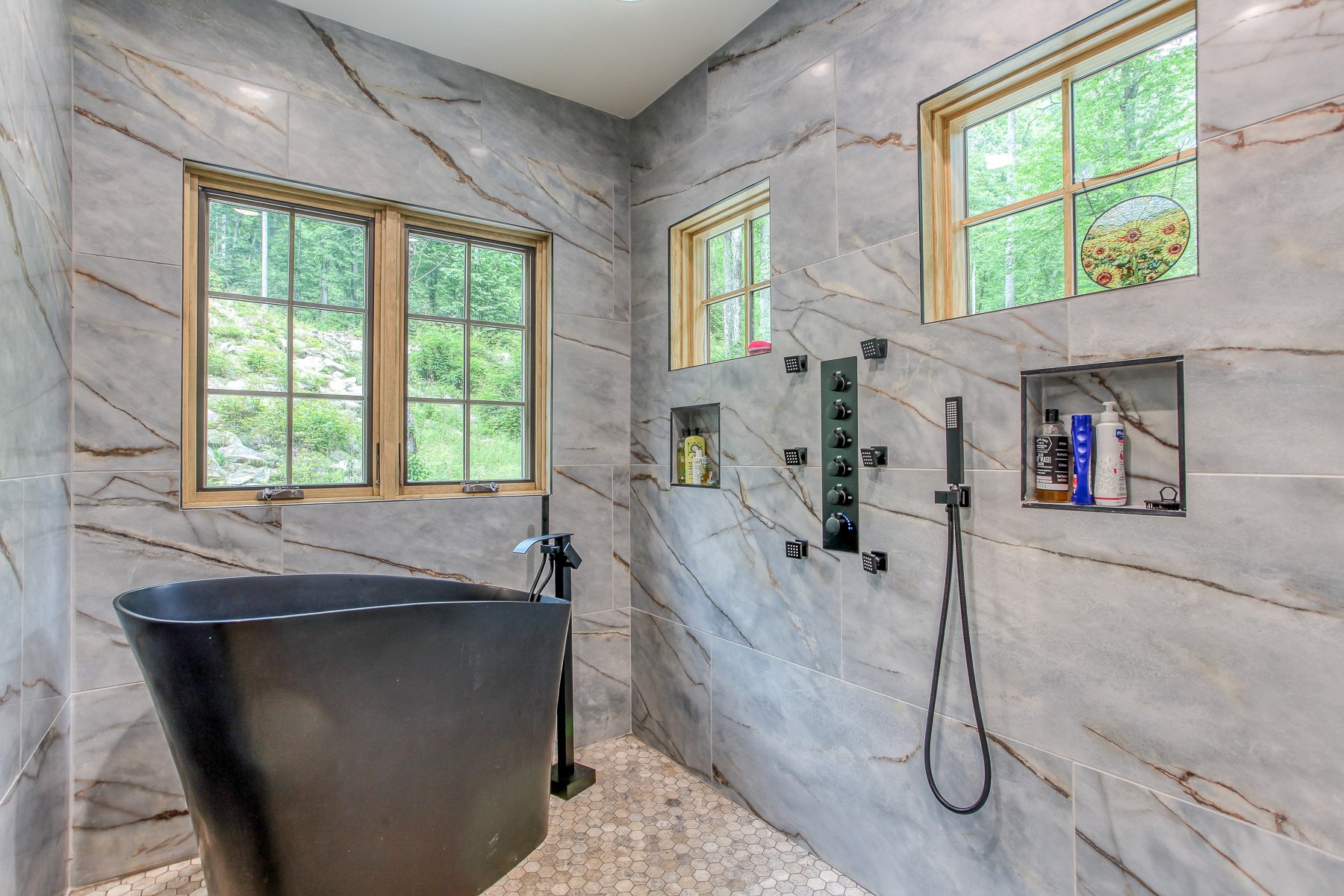
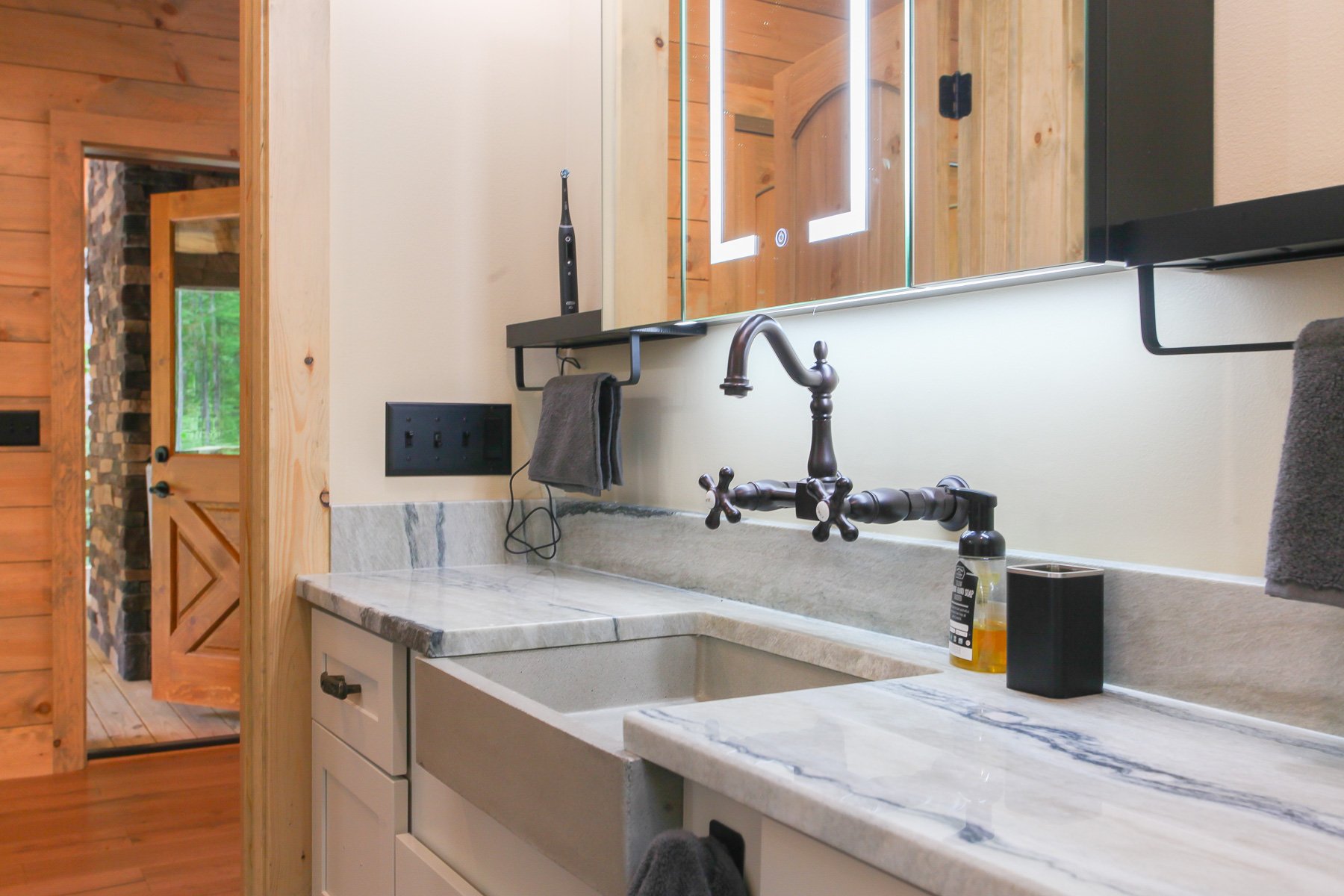
Inside, the home offers all the comforts expected of a modern mountain retreat. The layout includes one bedroom, a loft sleeping area, an open living space, kitchen and dining area, and a spacious bathroom, all designed to maximize comfort without sacrificing the intimate scale that made the original cabin special.
Natural wood finishes, exposed beams, handcrafted details, and expansive views of the surrounding forest create a home that feels connected to its setting from every room.
While every element of the structure beneath the reclaimed logs is new, the home still carries a tangible connection to the generations that came before.
Every Custom Home Has Its Own Story
Projects like this remind us why we enjoy custom building. No set of plans could have anticipated the challenges of working with century-old hand-hewn logs. There was no standard process to follow. Every decision required collaboration, creativity, and careful craftsmanship. That’s what makes truly custom homes different. Sometimes the goal isn’t simply building something new. Sometimes it’s finding a way for the past to become part of what’s built next.
More Updates & Projects:
Commercial Gallery
Commercial Projects
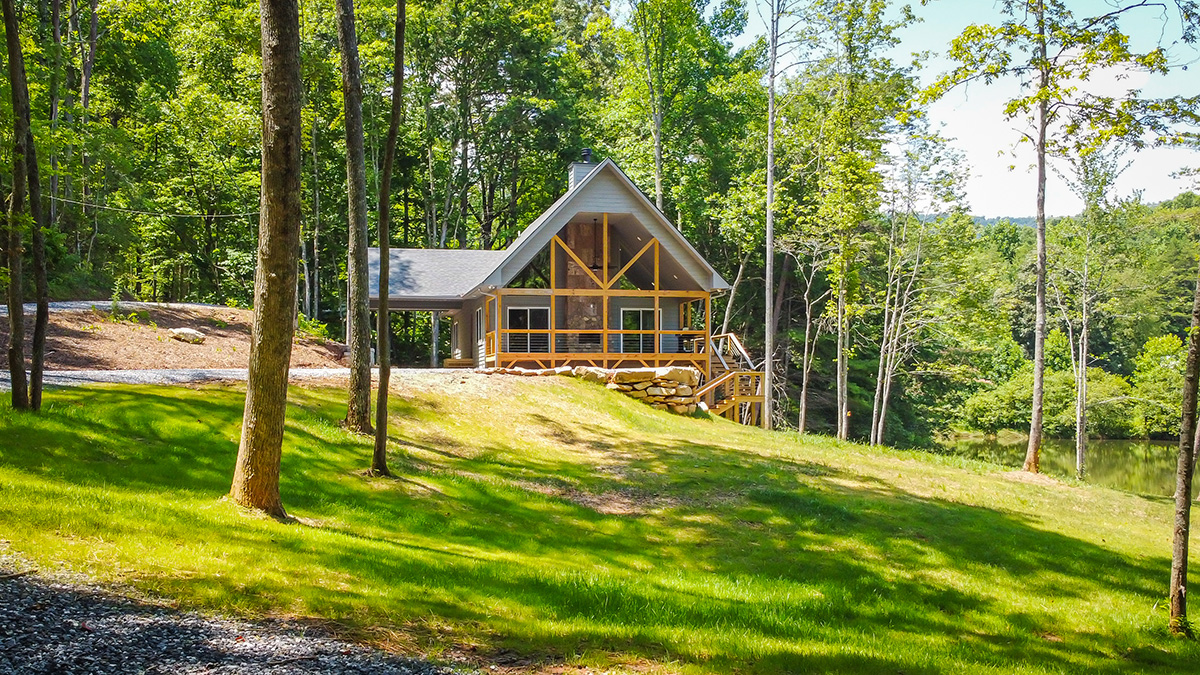
Residential Gallery
Custom Homes & Remodels

Dock Gallery
Dock Gallery